

10.12.2025 | Important progress in implementing its climate strategy
Thinking and acting sustainably
Axpo is enabling a sustainable future through innovative energy solutions. In doing so, growth, energy supply security and innovative strength are safeguarded for the long term. As Switzerland’s largest producer of renewable energy, Axpo pursues a comprehensive approach to sustainability that combines climate and environmental protection, social responsibility and good corporate governance.
Axpo made important progress over the past year in implementing its climate strategy. Analysing the risks and opportunities of climate change for its business activities, Axpo’s net-zero ambition was further specified and a transition plan developed. Axpo aims to achieve net zero emissions in its direct sphere of influence (Scopes 1 and 2) by 2040. As an interim target, emissions are to be reduced 16 per cent by 2030 compared to the 2021 base year. And the Group aims to achieve net zero emissions along the entire value chain by 2050. To hit these ambitious targets, Axpo continues to focus on the expansion of renewable energies at its own installations and with customers through power purchase agreements (PPAs), which support customers on their path to decarbonisation.
Promoting renewable energies
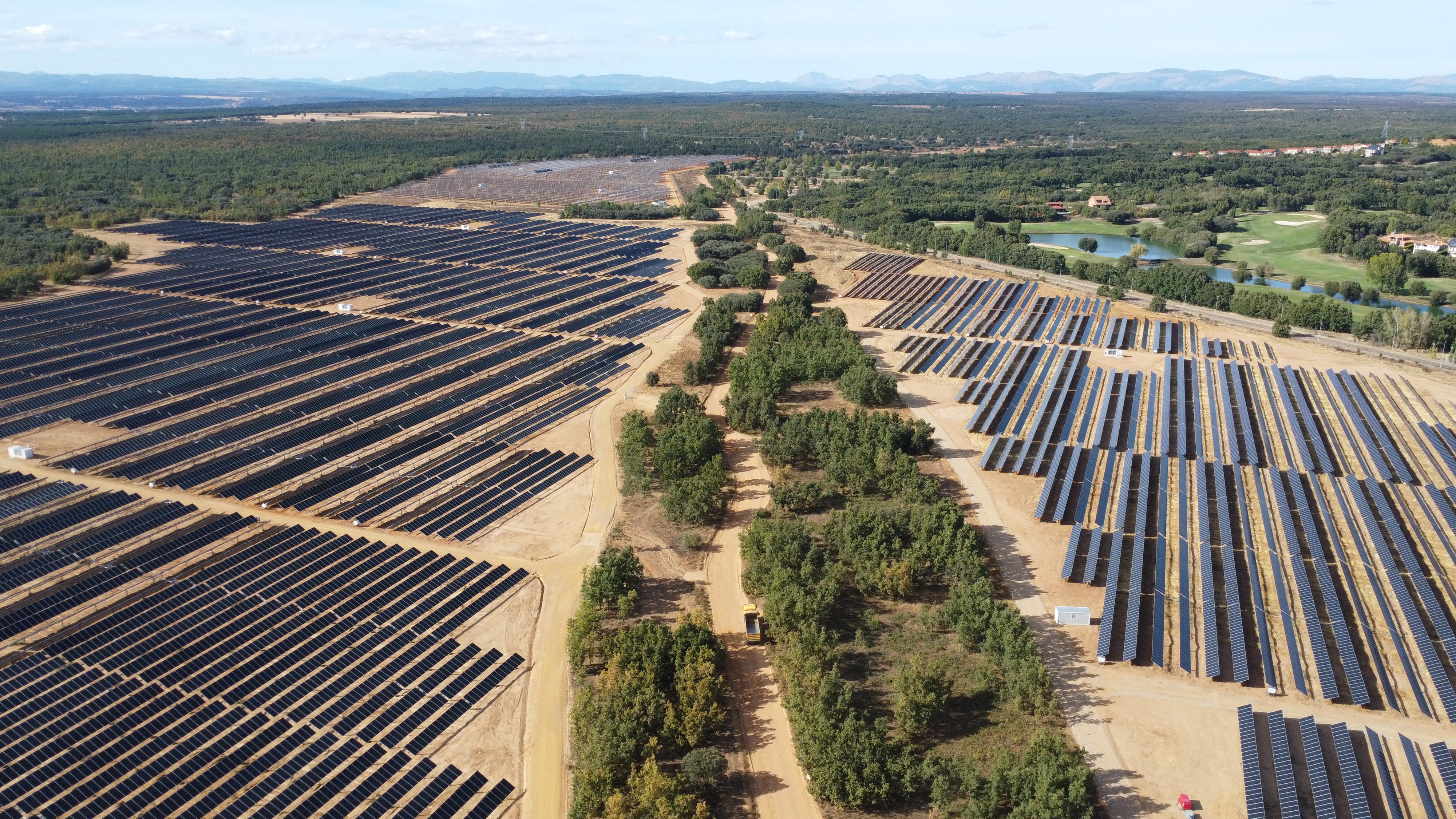
During the past financial year, Axpo generated 262.8 MW of additional renewable capacity, with a focus on Europe and Switzerland. Milestones include the commencement of construction of the NalpSolar Alpine solar project with a planned output of eight megawatts and completion of the first onshore wind farm in Finland with an output of 24.8 megawatts. Both initiatives are part of a large number of projects during the reporting period that focus on expanding renewable energy.
Holistic approach to sustainability
Axpo takes its social responsibility seriously, investing in its employees, promoting diversity and well-being, and offering attractive working conditions. During the year, Axpo received several Great Place to Work® awards. The company was also ranked 17th in this year’s prestigious Fortune 100 Best Companies to Work For – Europe. Meanwhile, the proportion of women in Axpo’s workforce – a factor that still presents challenges in the energy sector – continued to increase further and stood at 24.7 per cent at the end of the financial year.
Corporate responsibility is vitally important to Axpo. Business relationships are, above all, based on integrity and trust. That is why Axpo both promotes and demands a strong culture of compliance. With the launch of a completely revised Code of Ethics in autumn 2025, Axpo reaffirmed its high standards of ethical business conduct.
Sustainability is firmly embedded throughout Axpo’s organisation and operations. The Board of Directors is responsible for reporting on non-financial matters and for fulfilling due diligence obligations in accordance with the requirements of the Swiss Code of Obligations. The Board also approves the company’s sustainability strategy. Detailed information on sustainability at Axpo, including important progress and results achieved during the past financial year, can be found in the current Sustainability Report 2024/25.


