.jpg)




Axpo Energy Reports: Solar Energy
Solar energy, or photovoltaics, is currently the fastest‑growing renewable energy source in Switzerland. However, the majority of production occurs in summer, when the sun is strong and the days are long.
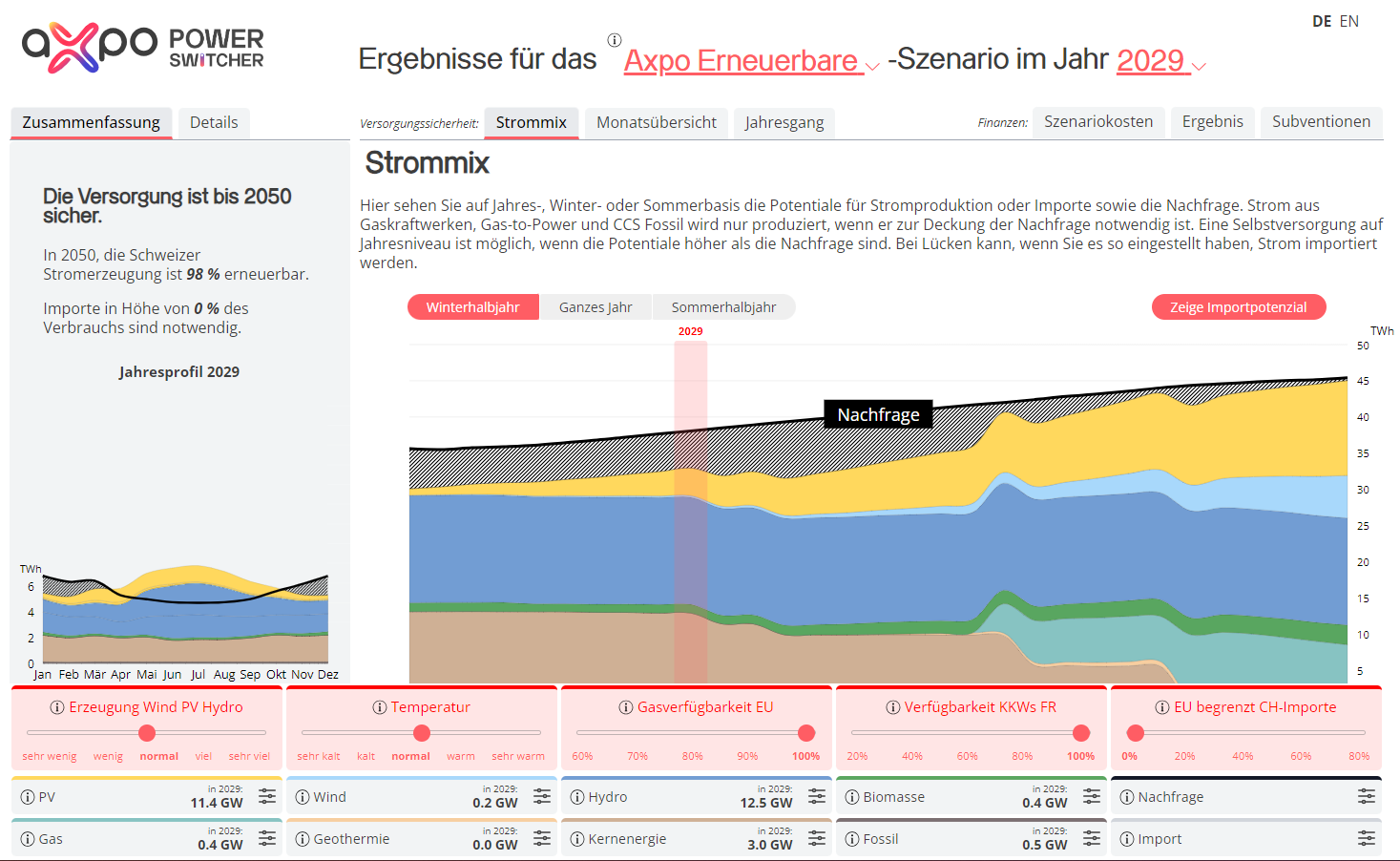
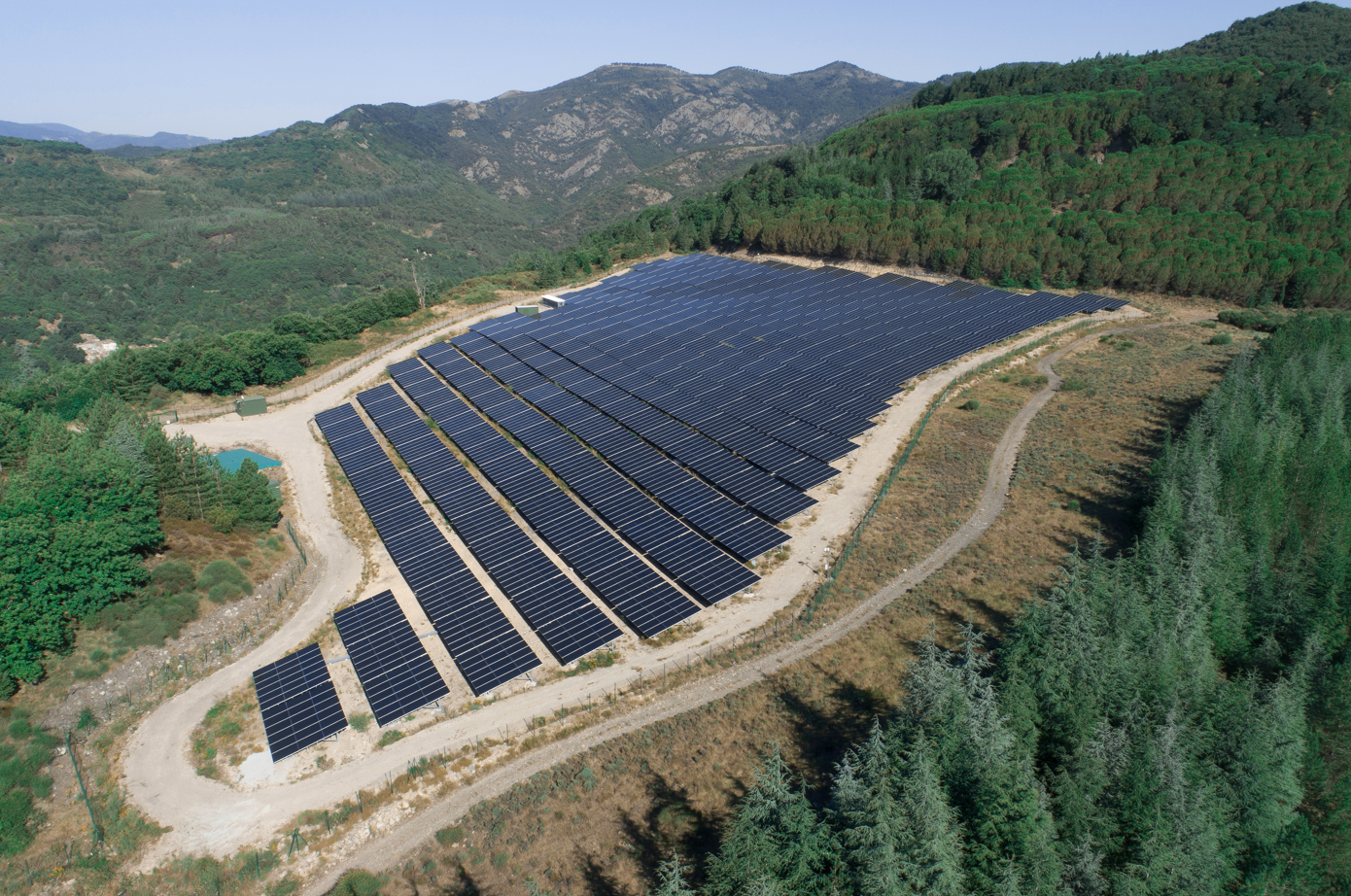
During the winter half of the year, solar installations contribute less – often only about a quarter of their annual output per installation. Nevertheless, thanks to rapid expansion, solar energy already provides a substantial contribution today, and this will continue to grow in the coming years. Rooftop installations dominate the expansion, while larger ground‑mounted or alpine systems are only slowly gaining importance. Solar installations are cost‑efficient, modular, and relatively quick to install. The main challenges relate to grid load, land availability, and local permitting procedures, but technical solutions such as storage or demand‑side management are increasingly providing relief.
Key questions and answers
Solar energy is important for a secure, sustainable electricity supply. However, the high figures for its theoretical potential are misleading. Only 25–30% of Switzerland’s solar production occurs during the winter months. Furthermore, small-scale rooftop PV – which is so widely accepted – is particularly expensive per MWh of electricity produced. Intelligently developed solar energy is an important complement: in addition to providing winter electricity, PV helps to conserve reservoir water in spring and autumn. The Axpo Energy Reports examine, without bias towards any particular technology, which framework conditions are necessary for solar energy to make a substantial contribution in winter.
The potential for expanding solar energy is technically and potentially very large, but:
- The strong focus on summer limits its contribution to winter supply.
- High-performance winter PV (alpine, façade or steep-slope installations) is very expensive and complex
- In general, small-scale PV in particular is by far the most expensive electricity generation technology and requires many times the level of subsidies compared to other technologies.
- Key hurdles include planning permission outside building zones, high construction costs in alpine regions, and integration into the distribution grid.
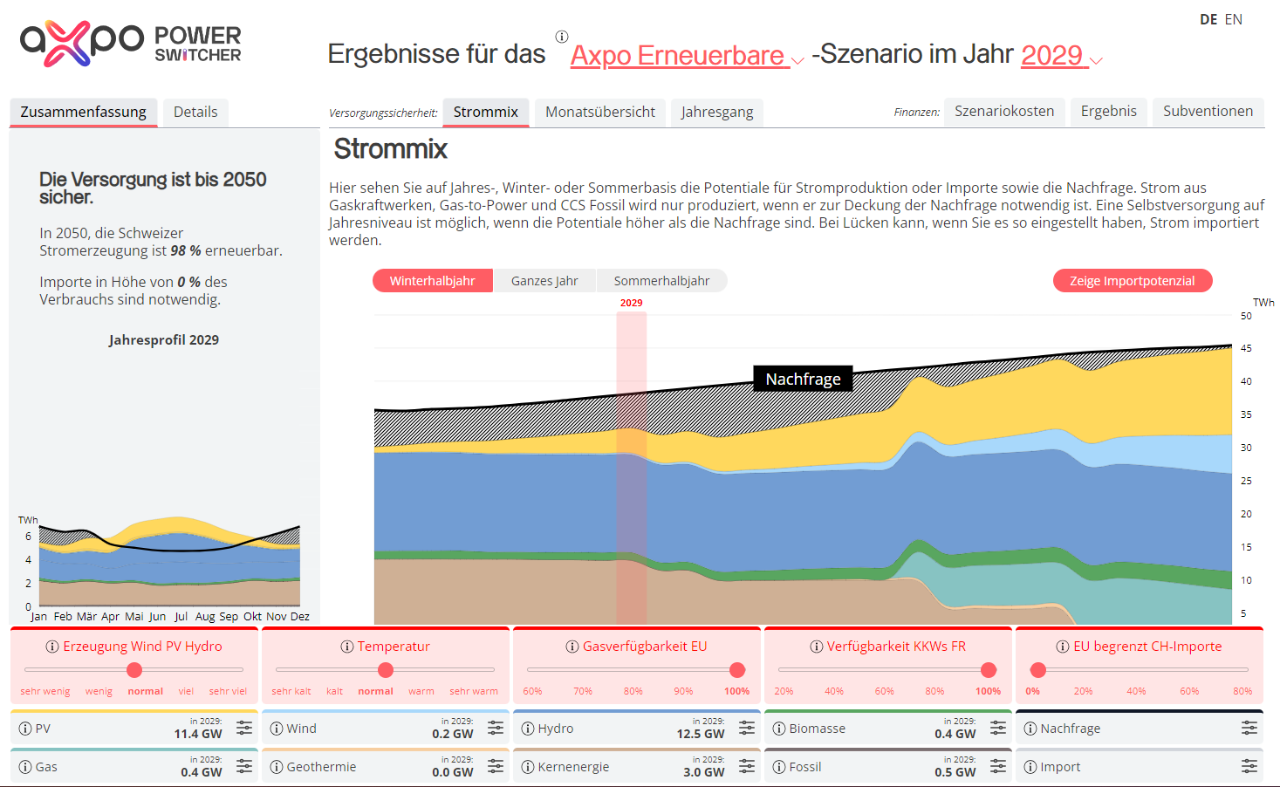
Around 75% of solar power is generated during the summer months. The winter share is only around 25%, and in the critical months of the meteorological winter (Dec, Jan, Feb) it is even lower (approximately 8%). Nevertheless, we assume that solar energy will play a role in both scenarios.